Decolonising Death Studies

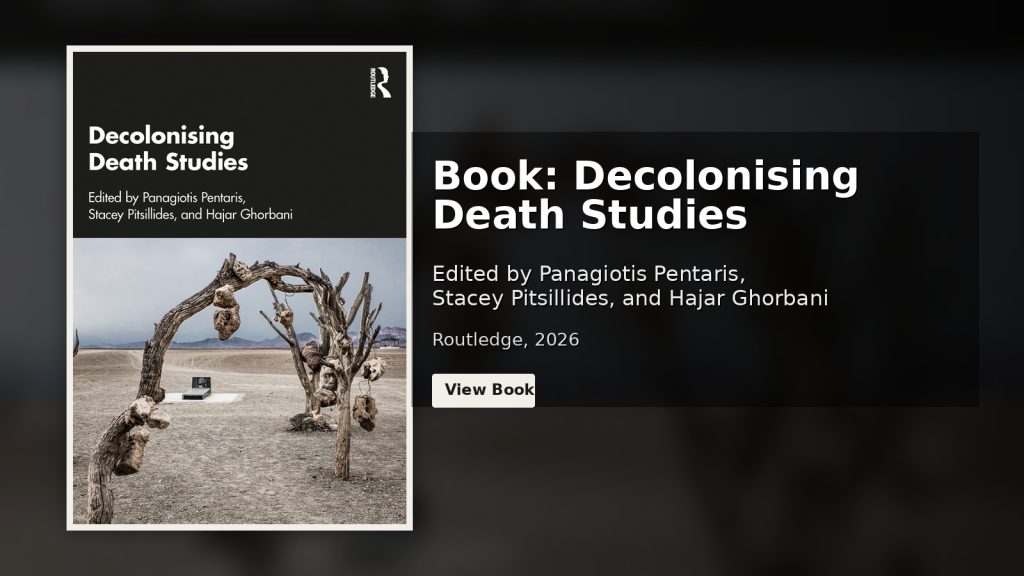
Decolonising Death Studies

Edited by Panagiotis Pentaris, Stacey Pitsillides, and Hajar Ghorbani
Routledge, 2026

Decolonising Death Studies brings together international and interdisciplinary perspectives that rethink death studies beyond primarily Western frameworks. The volume foregrounds decolonial, situated, and globally diverse approaches to death, dying, mourning, ritual, care, and end-of-life knowledge.

Read more

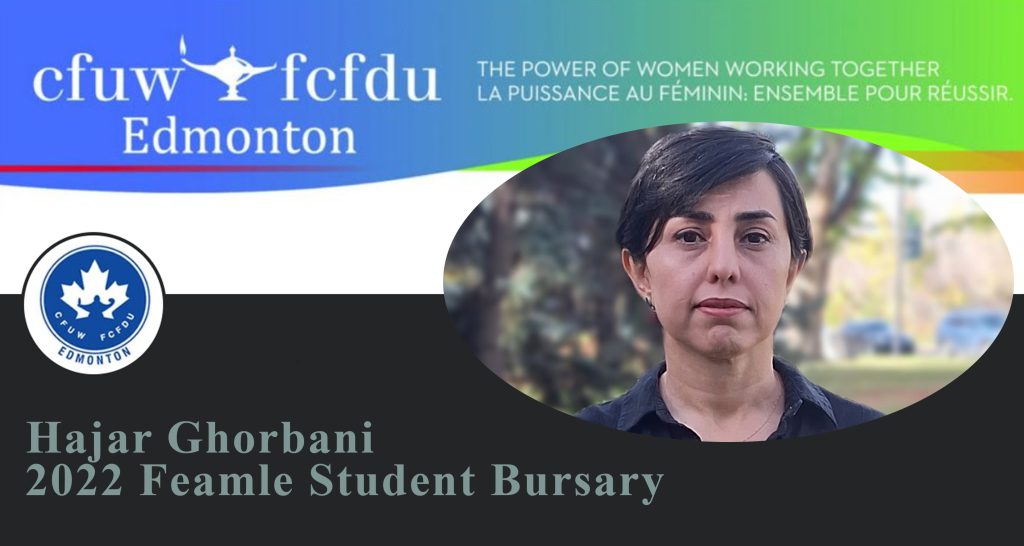
2020 Female Student Bursary Award; CFUW Edmonton

2020 Female Student Bursary Award; CFUW Edmonton

Hajar Ghorbani, a Ph.D. student of Anthropology, is one of the recipient of the CFUW bursary award at the University of Alberta.

CFUW Edmonton was founded in 1909 and is a non-partisan, voluntary, self-funded organization. Our membership is a community of women that have long history of successful efforts to improve the status of women at the local, provincial, national, and international levels and a commitment to continue those efforts today and into the future. Members are active in public affairs, work together for equality for women and girls, to raise the social, economic, political and legal status of women, as well as to improve education, the environment, peace, justice and human rights.

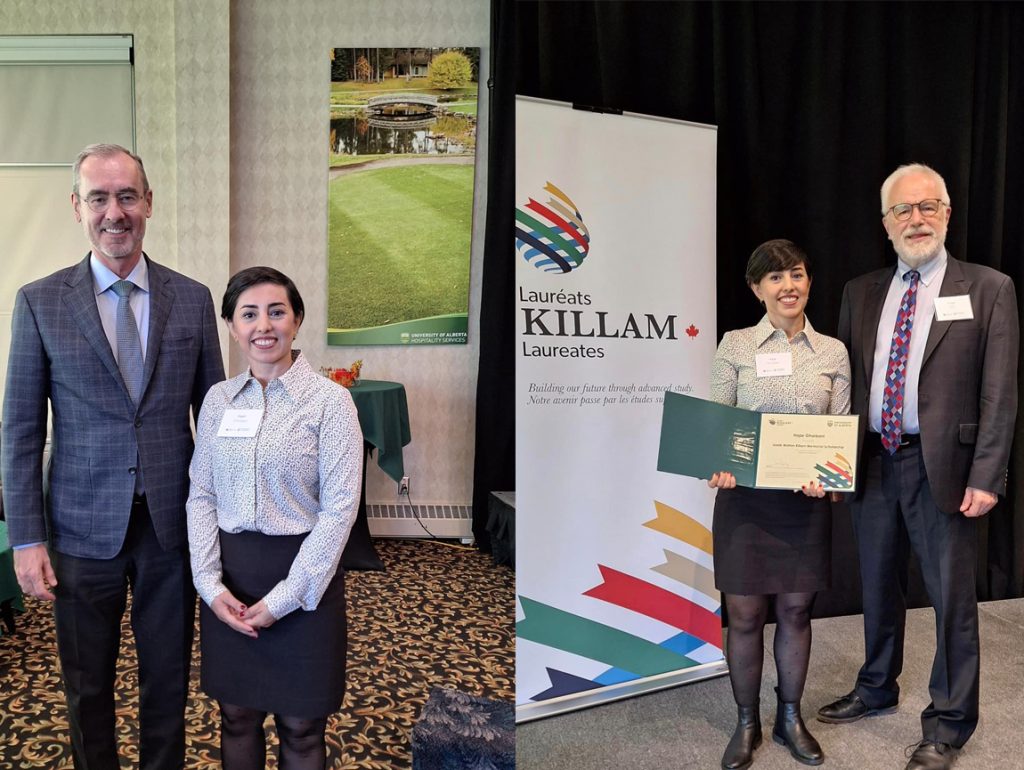
Hajar Ghorbani; Anthropology PhD Student receives Izaak Walton Killam Memorial Scholarship

Hajar Ghorbani; Anthropology PhD Student receives Izaak Walton Killam Memorial Scholarship

The Izaak Walton Killam Memorial Scholarships are the most prestigious graduate awards administered by the University of Alberta. They are awarded to outstanding doctoral students who, at the time of application, have completed at least one year of graduate study. Killam Scholarships are awarded for two years and include a stipend of $45,000 per year. Each award is renewable for a second year upon continued exceptional performance in a doctoral program at the University of Alberta.

Hajar Ghorbani is a sociocultural anthropology PhD student at the University of Alberta specializing in death studies. Her research centers on the intersections of death and modernity, as well as death and politics in Iran and the Middle East. She has been studying death and dying since 2011 and has conducted extensive fieldwork in Iran for six years. Hajar’s contributions to the field include published research in several journal articles and book chapters. She has also played a pivotal role in developing death studies in her country, serving as the editor of The Social Studies of Death in Iran (2020). In recognition of her expertise, Hajar Ghorbani was invited as a keynote speaker at the Center for Death and Society (CDAS) at the University of Bath, UK, in 2022. Currently, in her doctoral research project titled “Dead Bodies’ Agency and Western Politics”, she is advancing the conventional perspectives in social sciences that assume the living govern the dead. Her work explores the agency of dead bodies that affect the experience and actions of mourners and evoke memories of the past rather than serve their socio-political ends.

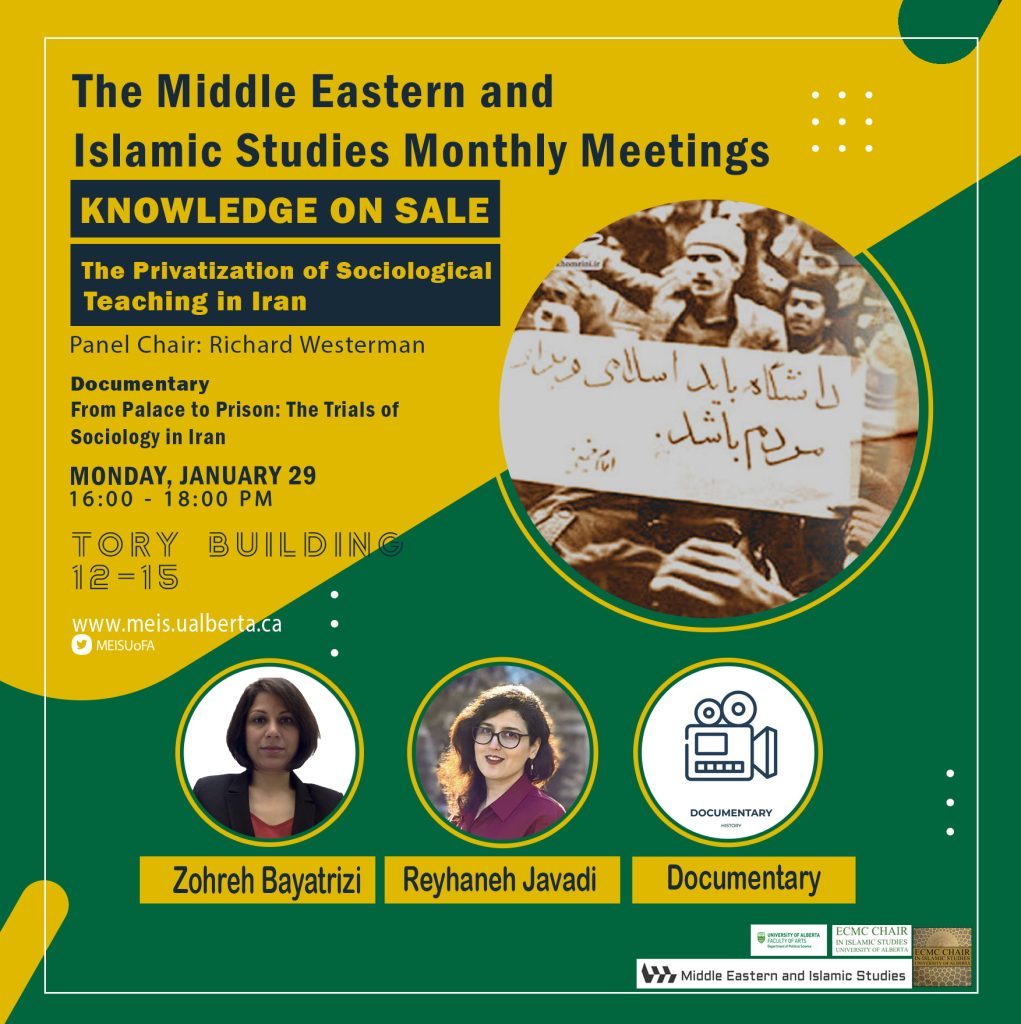
The Middle Eastern and Islamic Studies Monthly Meetings: Knowledge on Sale: The Privatization of Sociological Teaching in Iran

The Middle Eastern and Islamic Studies Monthly Meetings: Knowledge on Sale: The Privatization of Sociological Teaching in Iran

I am pleased to share news about #The_Middle_Eastern_and_Islamic_Studies_Monthly_Meetings, a recurring gathering aimed at bringing together scholars and students in the field of Islamic/Muslim/Middle Eastern studies at the #University_of_Alberta. The meeting themes will be selected by presenters — professors and their graduate students.

I as the organizer of these monthly meetings hope that your active participation and support will not only bring our academic community together but also provide a valuable space for the consolidation of the #MEIS epistemic community and meaningful critical dialogue.

Our second meeting will feature a panel discussion titled “#Knowledge_on_Sale_The_Privitization_of_Sociological_Teaching_in_Iran“, with Professor #Zohreh_Bayatrizi and  #Reyhane_Javadi, chaired by Dr. #Richard_Westerman. The program will also include a documentary titled: From Palace to Prison: The Trials of Sociology in Iran, followed by refreshments, a meet & greet, and informal networking.

We invite you to join us on Tuesday, January 29, from 4:00 to 6:00 PM, at Tory Building 12-15.

Anthropology PhD Student receives Izaak Walton Killam Memorial Scholarship

Anthropology PhD Student receives Izaak Walton Killam Memorial Scholarship

Hajar Ghorbani has received an Izaak Walton Killam Memorial Scholarship for her continued exceptional performance in the Anthropology doctoral program:

https://www.ualberta.ca/anthropology/about-anthropology/anthropology-news/2023/09-sept-12-dec/anthropology-phd-student-receives-the-izaak-walton-killam-memorial-2021-2022-vanier-canada-graduate-scholarship.html

M. Whitecotton-Carroll – 24 October 2023

The Izaak Walton Killam Memorial Scholarships are the most prestigious graduate awards administered by the University of Alberta. They are awarded to outstanding doctoral students who, at the time of application, have completed at least one year of graduate study. Killam Scholarships are awarded for two years and include a stipend of $45,000 per year. Each award is renewable for a second year upon continued exceptional performance in a doctoral program at the University of Alberta.

Hajar Ghorbani is a sociocultural anthropology PhD student at the University of Alberta specializing in death studies. Her research centers on the intersections of death and modernity, as well as death and politics in Iran and the Middle East. She has been studying death and dying since 2011 and has conducted extensive fieldwork in Iran for six years. Hajar’s contributions to the field include published research in several journal articles and book chapters. She has also played a pivotal role in developing death studies in her country, serving as the editor of The Social Studies of Death in Iran (2020). In recognition of her expertise, Hajar Ghorbani was invited as a keynote speaker at the Center for Death and Society (CDAS) at the University of Bath, UK, in 2022. Currently, in her doctoral research project titled “Dead Bodies’ Agency and Western Politics”, she is advancing the conventional perspectives in social sciences that assume the living govern the dead. Her work explores the agency of dead bodies that affect the experience and actions of mourners and evoke memories of the past rather than serve their socio-political ends.

University of Alberta Graduate Recruitment Scholarship

University of Alberta Graduate Recruitment Scholarship

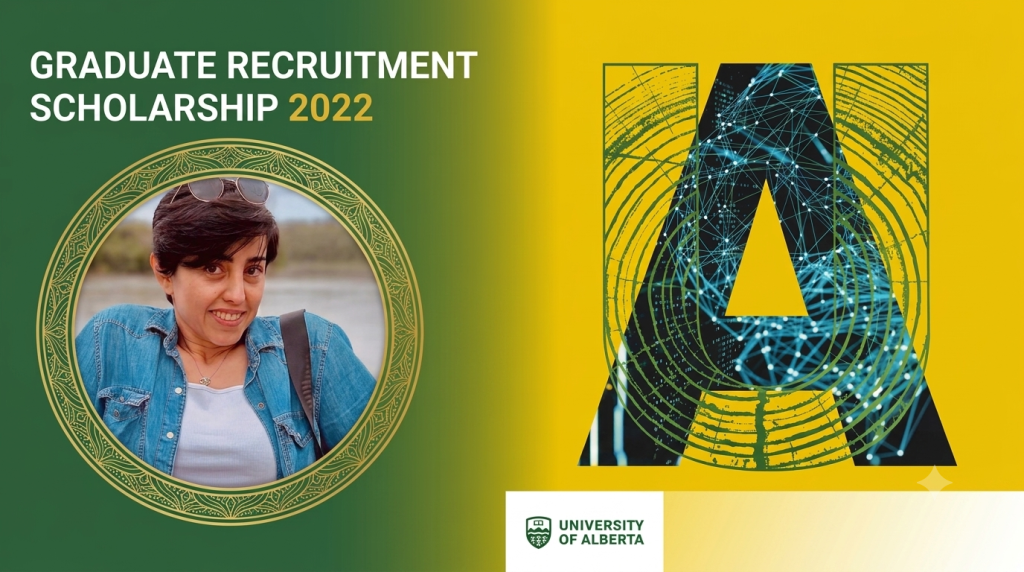
Hajar Ghorbani, a Ph.D. student of sociocultural anthropology, is the winner of University of Alberta Graduate Recruitment Scholarship in 2022.

The purpose of the Recruitment Scholarship is to recruit superior graduate students who have the potential to contribute to the University of Alberta’s community and research.

Hajar Ghorbani: SSHRC Vanier Canada Graduate Scholarship Ranked 1st in Canada

Hajar Ghorbani: SSHRC Vanier Canada Graduate Scholarship Ranked 1st in Canada

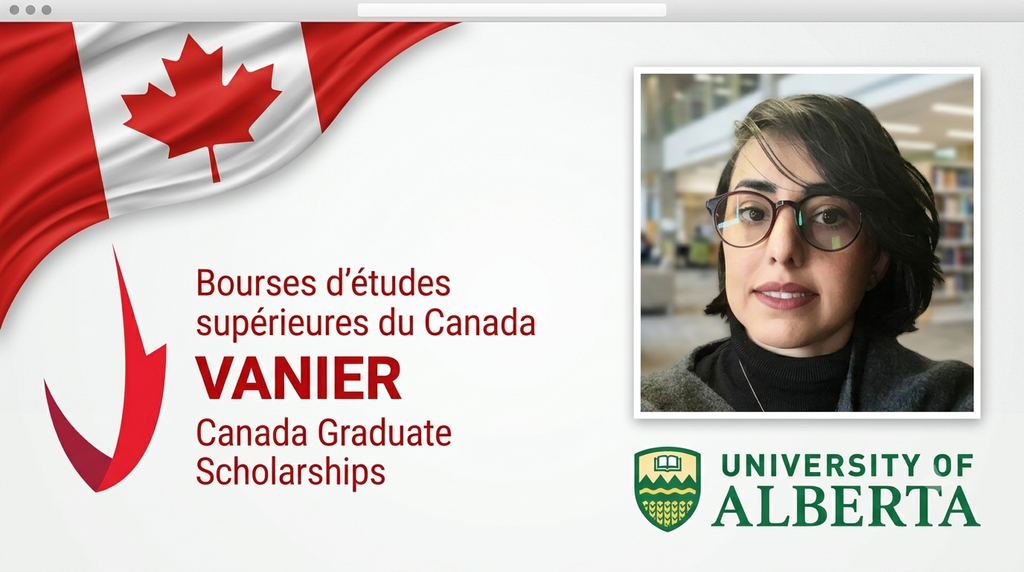
At the end of May, the Honourable François-Philippe Champagne, Minister of Innovation, Science and Industry, and the Honourable Mark Holland, Minister of Health, announced the recipients of 166 Vanier Canada Graduate Scholarships and 70 Banting Postdoctoral Fellowships.

Congratulations to #UAlberta‘s Hajar Ghorbani, Ph.D Student of Anthropology, for being named a 2023-2024 Vanier Scholar and ranking 1st out of 193 SSHRC applicants in Canada. Her research proposal is titled, Dead Bodies’ Agency in Iran and Western Politics: The Woman, Life, Freedom Movement in Iran and its International Political Impacts.

Calls For Book Chapters

Calls For Book Chapters

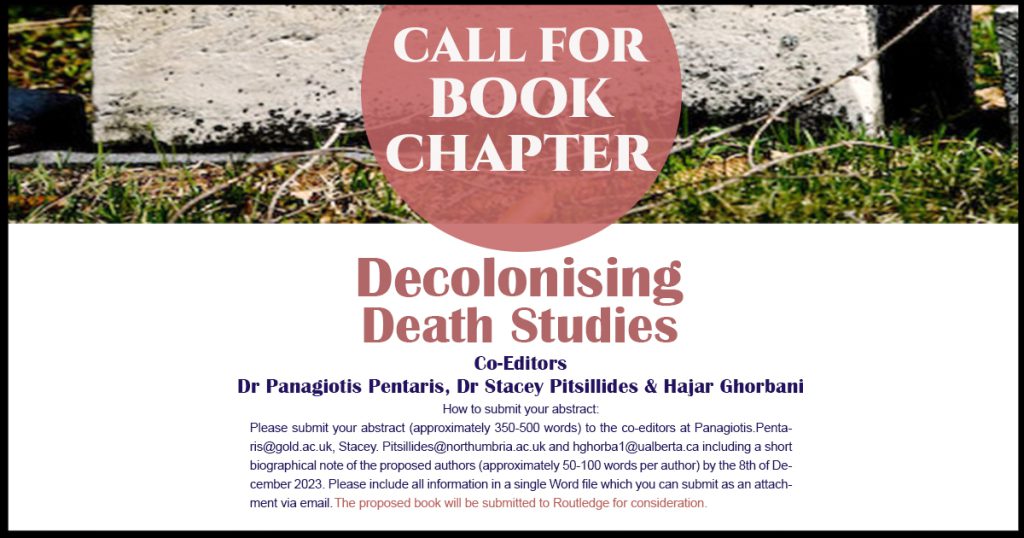
Title: Decolonising Death Studies

Co-Editors: Dr Panagiotis Pentaris, Dr Stacey Pitsillides & Hajar Ghorbani

Overview

Social and cultural factors can strongly influence how we approach death and dying, including attitudes towards death, rituals and practices surrounding death, and end-of-life care. The World Health Organization notes that understanding these factors is important for improving the quality of life and care for individuals facing life-limiting illnesses (WHO, 2021).

Hamilton et al. (2022) note that current knowledge in death studies tends to be influenced by Western views, conforming identities, specific disciplines, the English language, and a certain generation, which can limit its application to policy and practice. The authors argue that decolonising death studies requires exploring the nature of knowledge that underpins claimed expertise in this area, which has universal implications for policies, practices, theory, and research. This is not a new argument, but one which was noted in 1978 by Lofland, critiquing the happy death movement’s lack of diversity, claiming that its proponents were predominantly heteronormative, white and affluent. More contemporary research groups in death studies, like the Queer Death Studies Network (2016) and the Collective for Radical Death Studies, address this by collecting a wider body of literature in the field of death studies.

The increasing diversity and plurality of populations around the world necessitates further attention to diversifying evidence and knowledge to ensure that it effectively serves its beneficiaries (Mokhov and Pentaris, 2022). However, there is potential risk for re-colonising knowledge in this area due to the persistence of English-speaking, Western, and conforming expertise in the field that may or may not understand the connected histories of colonialism. To address this, networks of knowledge and expertise that challenge these limitations and seek to avoid the risk of re-colonisation to broaden the case of knowledge and key texts used by death studies researchers are needed. Such networks may be physical, contextual or digital, but they always lead to collective discourses that break free from the colonisation of death studies.

With that in mind, this book is looking to host the space for an interdisciplinary, international, especially from under-represented groups, dialogue which seeks to advance our exploration of both knowledge outside of the colonised and the degree of the current knowledge’s applicability in the field. Additionally, and drawing from Jansen’s (2019) thesis on the politics of knowledge focusing on the lack of postcolonial, indigenous and critical knowledge, the proposed book will become a beneficial tool for its ability to pool resources and expertise. This can help reduce gaps in the current knowledge base.

focusing on the exploration of the colonisation, re-colonisation and decolonisation of death studies – no matter the expertise of the contributors (e.g., assisted dying, AI and grief, art-based practices with dying individuals, etc.) – are welcome. The volume is particularly interested in the inclusion of minoritised voices and perspectives, in the collaboration of authors with people with lived experience, as well as the learning from different geographies and disciplines. Further, proposals linked with any of the many global issues and phenomena and how those manifest on the experiences of death, dying and bereavement are welcome. This volume will also welcome shorter forms of writing, for example: experiential essays, reflections on practice wisdom or autobiographic accounts.

The proposed book will be submitted to Routledge for consideration.

If you wish to discuss your idea about a contribution before submitting an abstract, please contact the coeditors directly.

How to submit your abstract 

Please submit your abstract (approximately 350-500 words) to the co-editors at Panagiotis.Pentaris@gold.ac.ukStacey.Pitsillides@northumbria.ac.uk and hghorba1@ualberta.ca including a short biographical note of the proposed authors (approximately 50-100 words per author) by the 8th of December 2023. Please include all information in a single Word file which you can submit as an attachment via email.

FEEL FREE TO SHARE WITH YOUR CONTACTS

Encountering Anthropology

Encountering Anthropology

I was born in Shiraz, Iran, in a large family. My early path into art was shaped by both desire and resistance. Although I was deeply drawn to art, my father initially opposed my decision to attend an art school. As a result, my education took an unconventional form. For several years, I stepped outside the formal school system and used that period to explore different practices, especially drawing, painting, and martial arts. I trained in Kung Fu, participated in competitions, and continued to develop my skills in painting, particularly with chalk pastel. This period was difficult, but it also shaped my independence, discipline, and capacity for self-directed learning.

After several years, I persuaded my father to allow me to take the entrance exam for an art program. I was eventually admitted to the Islamic Art program at Isfahan University of Art. Moving from Shiraz to Isfahan was a major turning point in my life. It was not only a move from one city to another; it was my first serious encounter with a new intellectual, artistic, and urban environment. Isfahan itself became part of my education. I began to walk through the city, observe its architecture, photograph its streets and objects, and experience urban space as something that could be read, interpreted, and analyzed.

At Isfahan University of Art, I studied in the Department of Religious and Civilization Arts. The department created an unusual intellectual environment where art was not approached only as technique, beauty, or form, but also as a way of thinking about culture, history, religion, society, and meaning. Between 2009 and 2013, I encountered scholars from anthropology, sociology, philosophy, semiotics, mythology, and art history. Their courses and conversations introduced me to new ways of understanding visual and material culture.

A decisive moment came when I took a course in the anthropology of art. This course changed the way I looked at the world around me. The concept of culture became central to my thinking. I began to understand that objects, images, rituals, spaces, and everyday practices could be studied as part of wider social worlds. My artistic practice of looking, drawing, and photographing gradually became connected to anthropological observation. I was no longer only interested in how things looked, but also in what they did, what they meant, and how they organized relations between people, places, memories, and histories.

During this period, I often walked through Isfahan with my camera. One day, by chance, I came across Takht-e-Fulad, a historic cemetery in the city. The tombstones immediately caught my attention. Their forms, inscriptions, symbols, materials, and visual arrangements seemed to hold complex cultural meanings. I photographed them and later discussed the images with Jabbar Rahmani, an anthropologist in our department. He encouraged me to think of tombstones as cultural texts and suggested that I explore the anthropology of death, a field that was still relatively underdeveloped in Iran at the time.

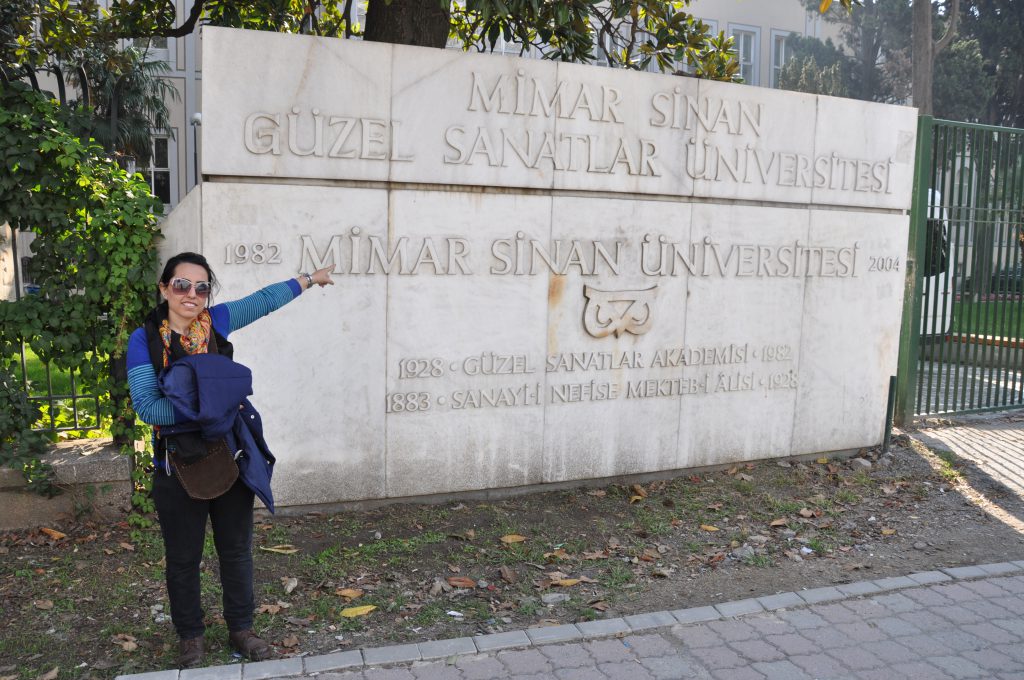
This encounter became the foundation of my undergraduate thesis, “Cultural Semiotics of Tombstone Signs in the Takht-e-Fulad Cemetery.” The project allowed me to bring together my artistic training and my emerging anthropological interests. Tombstones were no longer simply visual or decorative objects. They became material forms through which death, memory, religion, gender, class, and cultural identity could be read and interpreted. Based on this work, I later published an article and presented my research at an international conference in Turkey in 2013.

This movement from Shiraz to Isfahan, and from art to anthropology, continues to shape my work today. My research on death, cemeteries, martyrdom, mourning, and the agency of dead bodies grew out of this early encounter between visual practice and anthropological thinking. Art trained me to attend to form, texture, composition, and material presence. Anthropology gave me the conceptual tools to connect those forms to social life, ritual, memory, power, and political meaning.