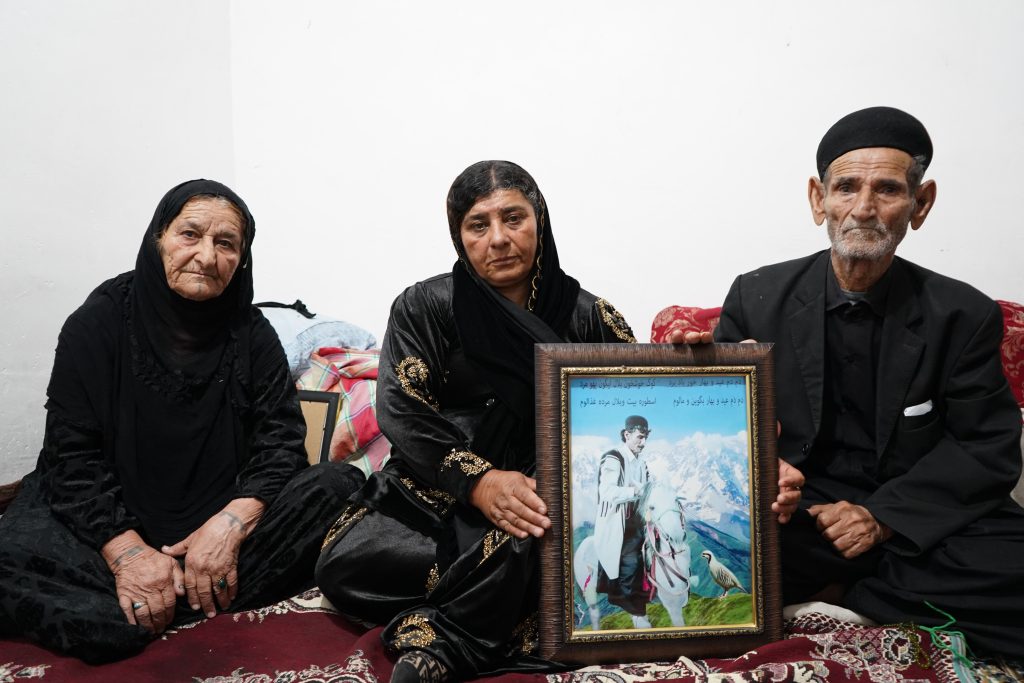
Between 2024 and 2025, my ethnographic fieldwork brought me to the intimate, often unseen margins of Iran, tracing the material and spiritual rituals of death. Working at the intersection of visual art and sensory anthropology, I am continually drawn to the spaces where sorrow lingers and transforms—what I often conceptualize as the afterlives of mourning.
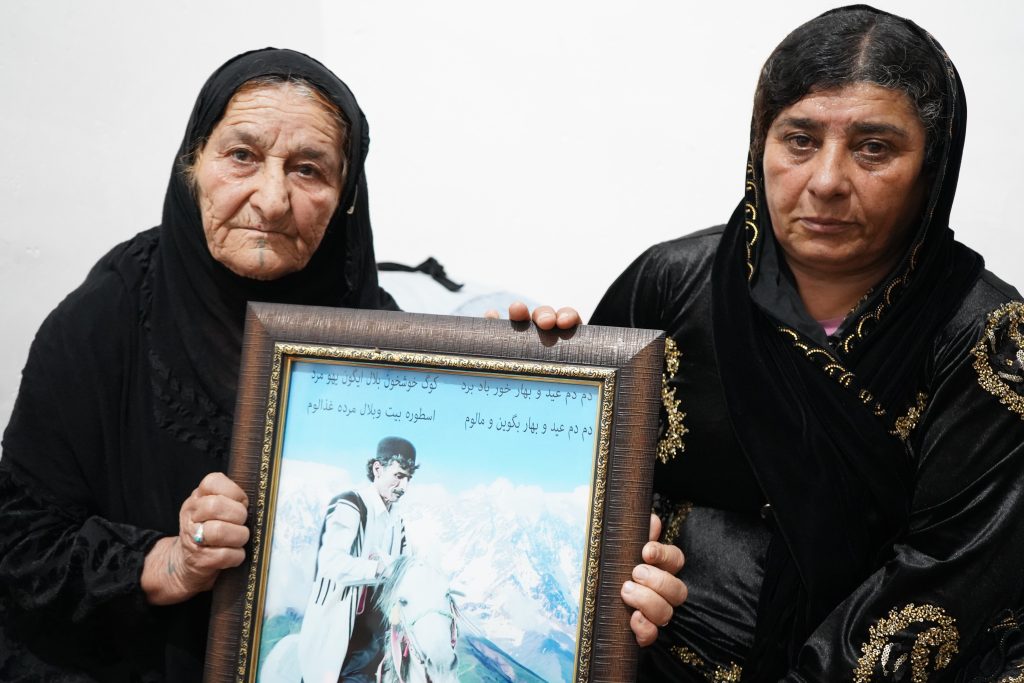
This post shares a fragment of that journey: a sensory and visual documentation of Gagriyu (گاگریو). Translating literally to “the time of crying,” Gagriyu is far more than a lamentation; it is a profound, improvised oral history. In the city of Shush, I had the privilege of documenting the Bahmaei style of this ancient practice. Through the intertwined voices of a mother and daughter, personal grief is transformed into a powerful, collective soundscape.
Women are the primary custodians of this ritual. With spontaneous, heart-rending verses, they honor the bravery, hospitality, and essence of the departed. Through a sensory ethnographic lens, we can hear how the women become living archives—their vocalizations holding the physical resilience and pain of their community.
In this short visual excerpt, the camera and microphone do not merely observe; they attempt to capture the invisible, visceral weight of loss. A brief interview contextualizes the lived realities of these women, grounding the subsequent performance. Through this documentation, we witness the traces that act—how memory is vocally, physically, and fiercely sustained by those left behind.
Videographer and Photographer: Hajar Ghorbani, Fall 2024, Shush, Iran